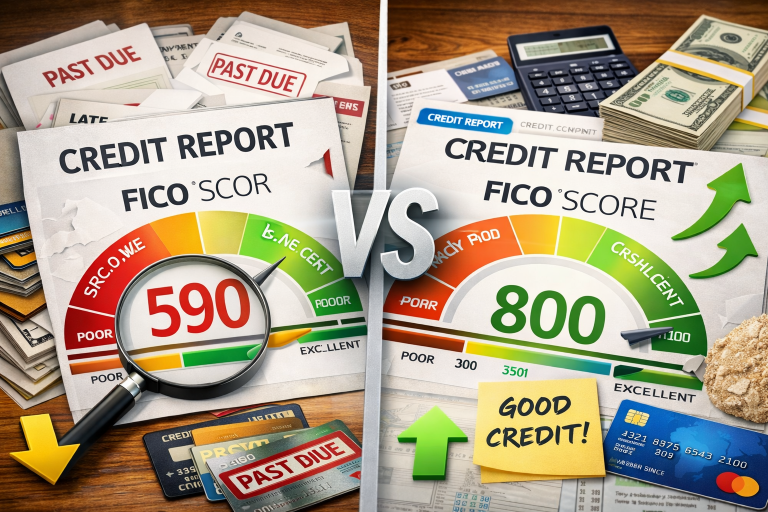
How Credit Scores Really Work in the U.S. (And How to Improve Yours Fast)

Starting a business without revenue is one of the biggest challenges entrepreneurs face. While having a strong idea and motivation is essential, securing funding can be difficult when banks and traditional lenders prioritize proven income and financial history. Fortunately, there are small business loans for startups with no revenue specifically designed to help new businesses get off the ground.
This guide explains the best financing options available, how they work, and how startups can improve their chances of approval even before generating revenue.
Yes, startups without revenue can qualify for business loans, but the approval process is different from traditional lending. Instead of relying on sales history, lenders evaluate the entrepreneur’s personal credit profile, business plan, industry potential, and future cash flow projections.
Many lenders understand that new businesses need capital upfront to generate income. As a result, alternative financing solutions have become more accessible for early-stage startups.
These loans are commonly used for:
While loan amounts may be smaller initially, they provide critical funding to move the business forward.
Several financing options are suitable for startups that have not yet generated income. Choosing the right one depends on your business model and financial situation.
Popular loan options include:
Personal loans are often easier to obtain and can be used flexibly. Microloans and SBA-backed programs focus on supporting small businesses and entrepreneurs, often with more favorable terms.
Online lenders also play a major role, offering faster approvals and fewer requirements compared to traditional banks.
When revenue is not available, lenders rely on alternative criteria to assess risk. Understanding these factors can significantly improve your approval chances.
Key evaluation factors include:
A detailed business plan demonstrating growth potential and a clear repayment strategy is essential. Lenders want to see that you understand your market and have a realistic plan to generate income.
Some lenders may also require a personal guarantee, meaning you are personally responsible for repayment if the business cannot pay.
Before applying, it is important to understand the advantages and disadvantages of these financing options.
While these loans can be powerful tools, responsible borrowing is crucial. Using funds wisely and maintaining timely payments can help establish a positive financial foundation for your startup.
Even without revenue, there are strategic steps entrepreneurs can take to improve their chances of securing financing.
Effective strategies include:
Opening a business bank account and establishing a legal business structure also demonstrates professionalism and readiness to lenders.
Consistency, preparation, and transparency play a major role in securing funding for early-stage businesses.
For many entrepreneurs, startup loans are essential to transform an idea into a functioning business. While the costs may be higher initially, access to capital can accelerate growth, improve operations, and create revenue opportunities.
These loans are best suited for founders who:
When used strategically, small business loans for startups with no revenue can serve as a stepping stone toward long-term financial stability and business success.
Launching a startup without revenue does not mean funding is out of reach. With the rise of alternative lenders and startup-focused loan programs, entrepreneurs now have more options than ever before.
By choosing the right financing solution, preparing thoroughly, and borrowing responsibly, startups can secure the capital they need to grow, innovate, and succeed in competitive markets.